

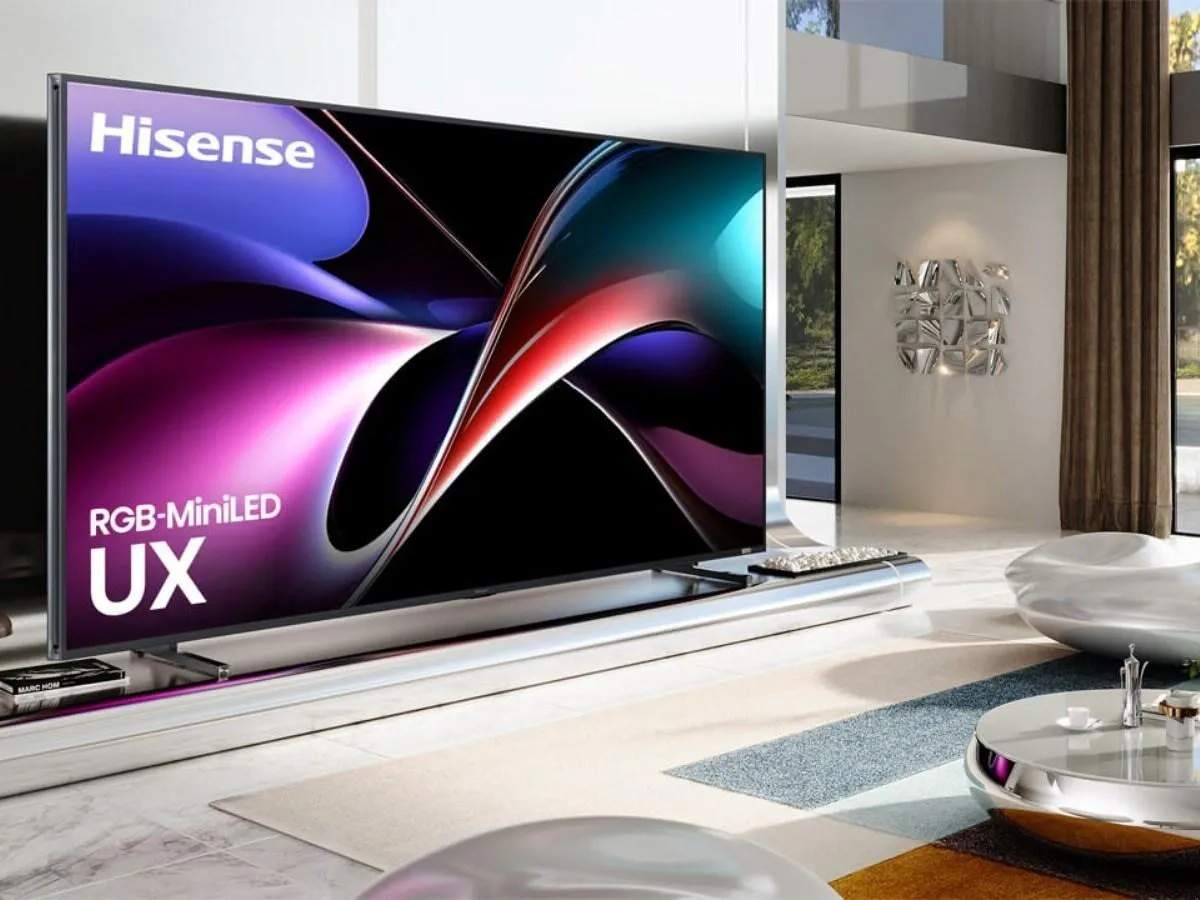
Best Smart TVs 2026 – OLED vs Micro RGB Explained | Which TV Should You Buy?
The smart TV market in 2026 is more exciting than ever. With rapid advancements in display technology, buyers are now choosing between powerful options like OLED TVs and the newer Micro RGB TVs. Both promise stunning picture quality, immersive viewing, and cutting-edge features—but which one is right for you?
In this guide, we’ll break down OLED vs Micro RGB TVs, compare their features, and help you decide the best smart TV to buy in 2026.
What is OLED TV?
OLED (Organic Light Emitting Diode) TVs use self-emissive pixels. This means each pixel produces its own light, eliminating the need for a backlight.
Key Features:
- Perfect black levels
- Infinite contrast ratio
- Ultra-thin design
- Excellent viewing angles
Why It’s Popular:
OLED TVs are known for delivering a cinematic experience, especially in dark scenes.
What is Micro RGB TV?


Micro RGB TVs are an advanced form of LED TVs that use independent red, green, and blue light sources to produce more accurate colors and higher brightness.
Key Features:
- Extremely high brightness
- Better color accuracy
- No burn-in issues
- Improved durability
Why It’s Trending:
Micro RGB is gaining attention as a next-gen display technology, especially for bright environments.
OLED vs Micro RGB – Key Differences
1. Picture Quality
- OLED: Best for deep blacks and contrast
- Micro RGB: Brighter and more vibrant colors
Winner: Depends on usage (OLED for movies, Micro RGB for bright rooms)
2. Brightness
- OLED: Moderate brightness
- Micro RGB: Extremely bright
Winner: Micro RGB (perfect for daytime viewing)
3. Color Accuracy
- OLED: Natural and realistic colors
- Micro RGB: More vivid and punchy colors
Winner: Tie (depends on preference)
4. Burn-In Risk
- OLED: Slight risk over long-term use
- Micro RGB: No burn-in
Winner: Micro RGB
5. Design & Thickness
- OLED: Ultra-thin and sleek
- Micro RGB: Slightly thicker
Winner: OLED
6. Price
- OLED: Premium pricing
- Micro RGB: Also premium but varies
Both are high-end technologies in 2026.
Which TV is Best for You?
Choose OLED if:
- You love movies and Netflix
- You watch in a dark room
- You want cinematic visuals
Best for home theater experience

Choose Micro RGB if:
- You watch TV in bright rooms
- You want super bright display
- You play games or sports
Best for everyday use + gaming
Gaming Performance
Both OLED and Micro RGB TVs offer:
- 120Hz or higher refresh rates
- Low input lag
- HDMI 2.1 support
OLED is slightly better for contrast in gaming
Micro RGB is better for brightness and visibility
Smart Features in 2026 TVs
Modern smart TVs come with:
- Built-in apps like Netflix and YouTube
- Voice assistants
- AI upscaling
- Smart home integration
Both OLED and Micro RGB TVs support advanced smart features.
Latest Trends in Smart TVs (2026)
What’s New:
- AI-powered picture optimization
- 8K resolution TVs
- Gaming-focused features
- Ultra-slim designs
The future of TVs is smarter, brighter, and more immersive.
Buying Tips (Important)
Room Lighting
- Dark room → OLED
- Bright room → Micro RGB
Usage Type
- Movies → OLED
- Sports/Gaming → Micro RGB
Budget
Both are premium, so choose based on value.
Quick Comparison Table
| Feature | OLED TV | Micro RGB TV |
|---|---|---|
| Black Levels | Excellent | Good |
| Brightness | Medium | Very High |
| Colors | Natural | Vibrant |
| Burn-In Risk | Possible | None |
| Design | Ultra-thin | Slightly thick |
Conclusion
In 2026, both OLED and Micro RGB TVs offer incredible performance, but they serve different needs.
Choose OLED if you want the best cinematic experience with deep blacks and stunning contrast.
Choose Micro RGB if you want bright, vibrant visuals with no burn-in concerns.
Ultimately, the best smart TV depends on your viewing habits, room lighting, and personal preferences.